Recent Projects
Denver Decks Stained by Mastercraft

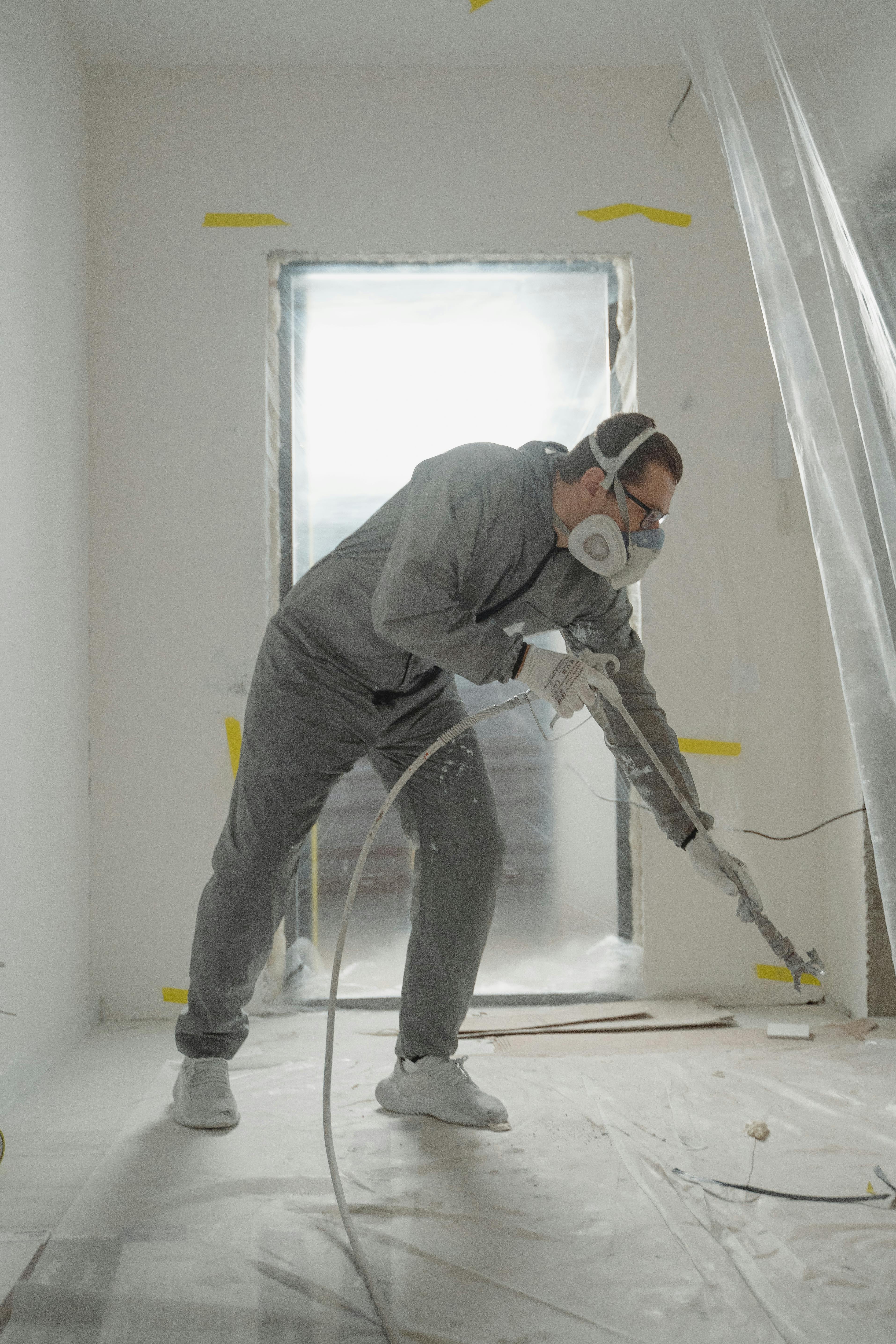
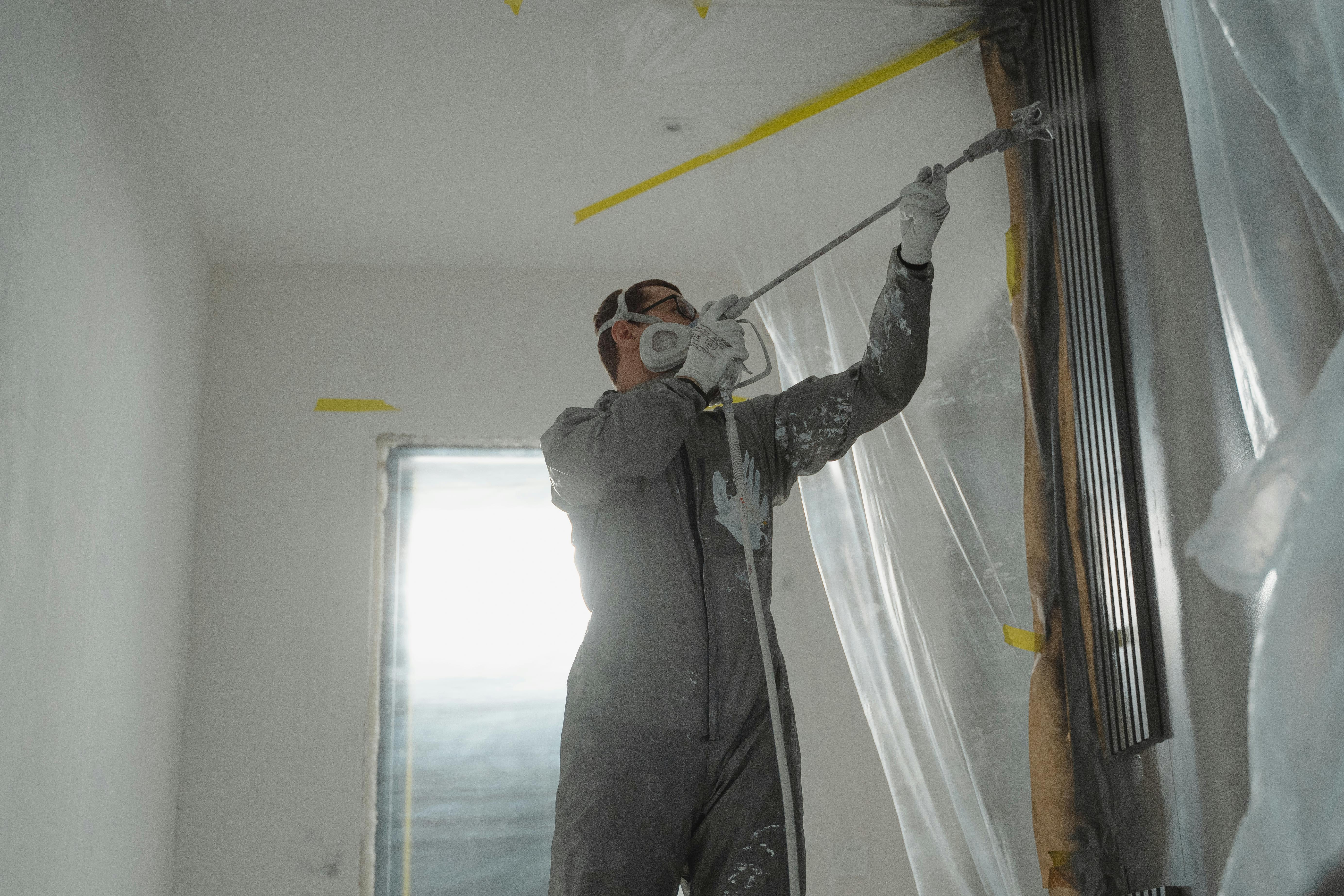
Protect your wood investment from Colorado's intense UV, moisture, and freeze-thaw cycles. Professional staining and sealing that adds years of life to your deck and fence.
The type of stain you choose depends on your deck's current condition, how much wood grain you want visible, and how often you're willing to recoat. Here's the honest breakdown.
| Stain Type | Opacity | Durability (CO Climate) | Recoat Frequency | Best For | Hides Imperfections? |
|---|---|---|---|---|---|
| Solid Stain / Deck Paint | 100% opaque — looks like paint | 5–8 years | Every 5–8 years | Older, weathered, or discolored wood; maximum protection | Yes — covers cracks, discoloration |
| Semi-Transparent Stain | Partial — shows wood grain | 3–5 years | Every 3–5 years | Newer decks in good condition; natural look with protection | Partially — hides minor flaws |
| Semi-Solid Stain | Mostly opaque — slight grain | 4–6 years | Every 4–6 years | Middle-aged decks; best balance of looks and longevity | Mostly — hides most flaws |
| Clear Sealer / Toner | Transparent — full grain visible | 1–2 years | Every 1–2 years | Very new, high-quality wood where appearance is priority | No |
Ryan's recommendation for most Denver decks: semi-transparent or semi-solid stain. It provides meaningful UV and moisture protection while maintaining the natural look of the wood. Clear sealers simply don't hold up to Colorado's UV intensity without very frequent reapplication.
Prep is everything in deck staining. A stain applied to dirty, weathered, or improperly cleaned wood will peel within 12 months. Our process ensures maximum penetration, adhesion, and longevity.
We inspect every board for rot, loose nails or screws, popped knots, and structural issues. Any failing fasteners are driven flush or replaced. Soft or rotted boards are identified and you're given options for repair or replacement before staining begins.
We pressure wash the entire deck at 1,500–2,000 PSI to remove dirt, mildew, algae, and old failing stain. After washing, we apply a wood brightener/cleaner (typically oxalic acid-based) to restore the wood's natural pH, open the grain, and prepare it for maximum stain penetration.
The deck must dry to below 15% moisture content before any stain is applied. In Denver's dry climate, this typically takes 48–72 hours after washing. We never rush this step — staining wet wood is the single most common cause of early stain failure.
If your deck has an old peeling solid stain or paint, we apply a wood stripper and re-sand the surface before applying the new finish. This step is required when transitioning from solid to semi-transparent stain, or when old stain has failed and is lifting.
Stain is applied by brush, roller, or sprayer depending on the deck's design and stain type. We work in sections to maintain a wet edge, ensuring even penetration and no lap marks. Railings, balusters, and posts get extra attention — these areas take the most UV hit.
For penetrating stains, a topcoat sealer may be applied 24 hours after the base coat for maximum UV and water resistance. Ryan walks the deck with you to inspect every board before we consider the job complete.