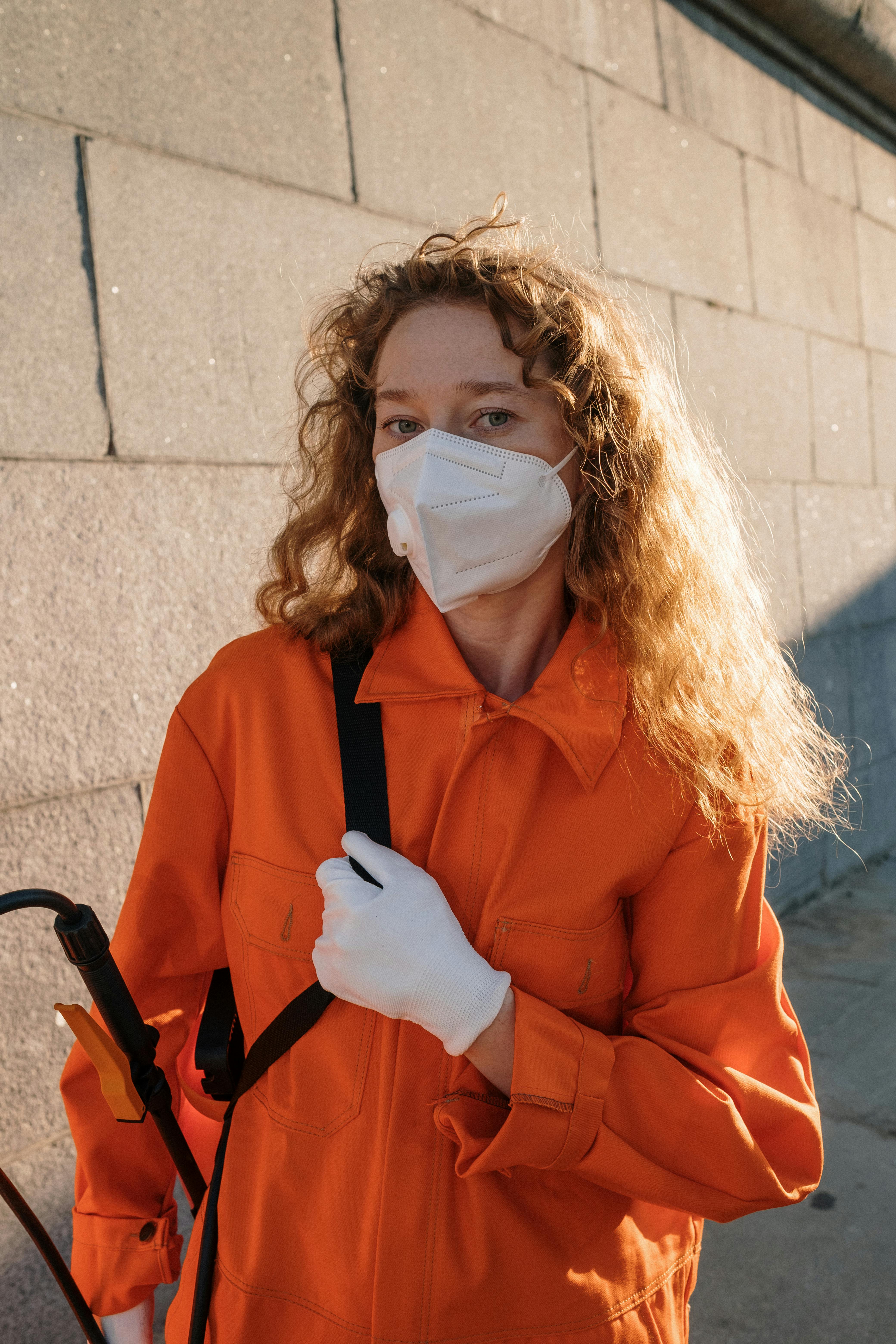
Florida has the highest termite pressure in the continental US. Shield offers three proven treatment methods β we'll recommend the right one for your home after a free inspection.
Florida is home to over 20 termite species β including the highly destructive Formosan subterranean termite, which can consume a pound of wood per day and destroy a home's structural integrity within 3β5 years. The warm, humid climate of Central Florida means termite colonies are active year-round.
Most termite damage happens before homeowners know there's a problem. By the time you see swarmers, mud tubes, or hollow-sounding wood, a colony may have been feeding on your home for years. Early detection and annual inspections are the most cost-effective defense.
Bobby Torres has performed thousands of termite inspections and treatments across Central Florida. He knows the species, the behavior, and the right treatment for your specific situation.

We don't push one method on every customer. The right treatment depends on termite species, infestation extent, and your home's construction.
| Feature | Liquid Barrier | Sentricon Bait System Most Common | Tent Fumigation |
|---|---|---|---|
| Best for | Active subterranean colonies, new construction pre-treat | Ongoing monitoring + elimination | Heavy drywood termite infestations |
| How it works | Termiticide injected into soil around foundation | Bait stations around perimeter; termites carry toxicant to colony | Structure tented; gas penetrates all wood |
| Time to vacate home | Not required | Not required | 2β3 days |
| Kill all life stages | Subterranean only | Colony elimination over weeks | β All species, all stages |
| Annual monitoring | Optional | β Included | Add-on available |
| Warranty | 1-year with annual inspection | Ongoing with active program | 1-year re-treatment |
| Starting price | From $495 | From $1,200/yr | Call for quote |
Prices depend on home size and infestation severity. Free inspection includes honest recommendation β no upselling.
Flying termites emerging from walls or soil β usually in spring. If you see swarmers indoors, a colony is already established nearby.
Pencil-width tunnels along your foundation, walls, or crawl space β subterranean termites build these to travel from soil to wood.
Wood that sounds hollow when tapped, or appears blistered or darkened β termites consume from inside out, leaving a thin shell.
Tiny pellets near wooden structures β drywood termite frass looks like sawdust or coffee grounds near small kick-out holes.